How to Use my ‘6A’ methoD to write an opinion article.
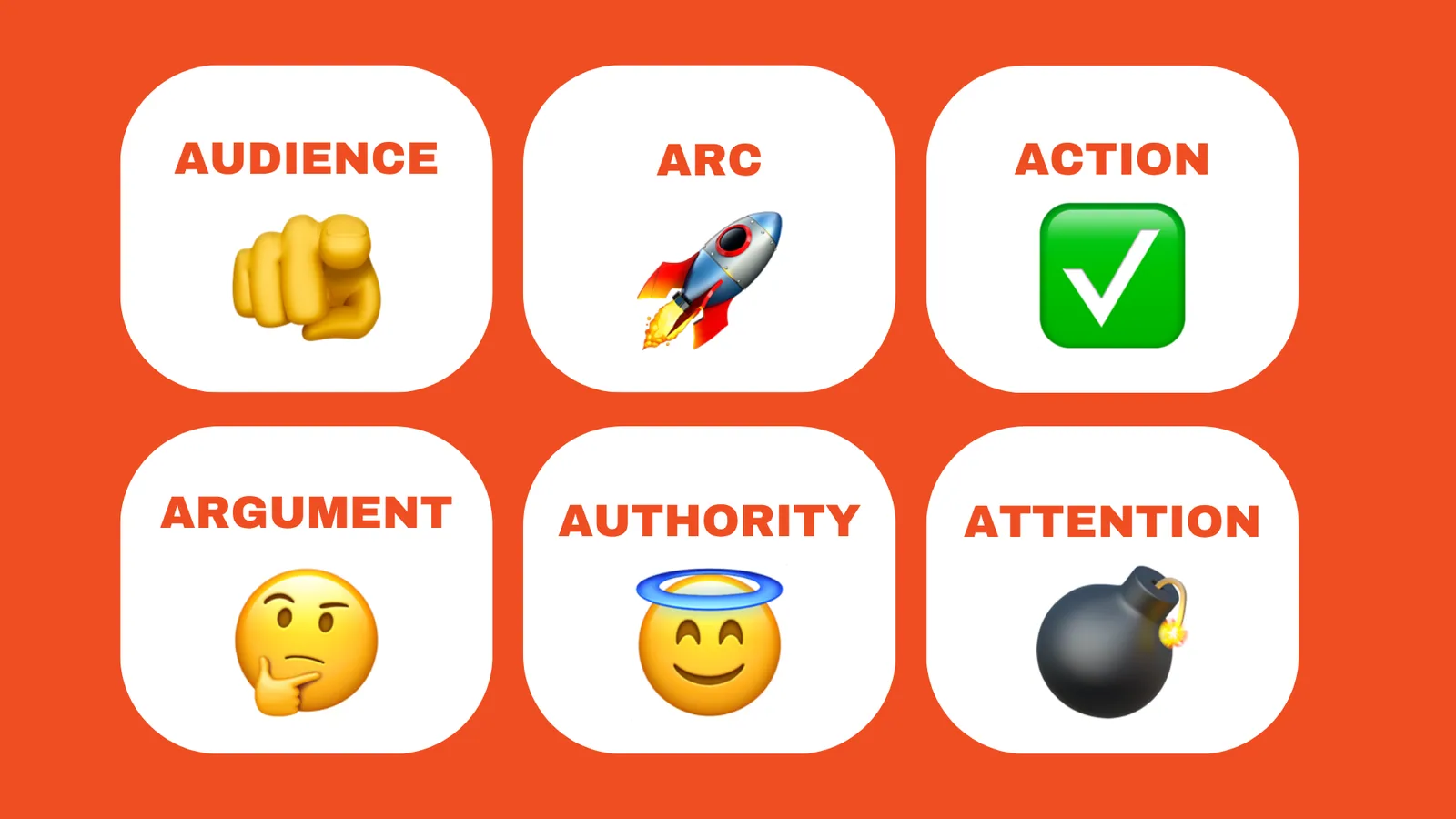
Using my Six A copywriting method, you can ensure the content will meet the standard for PR (and…
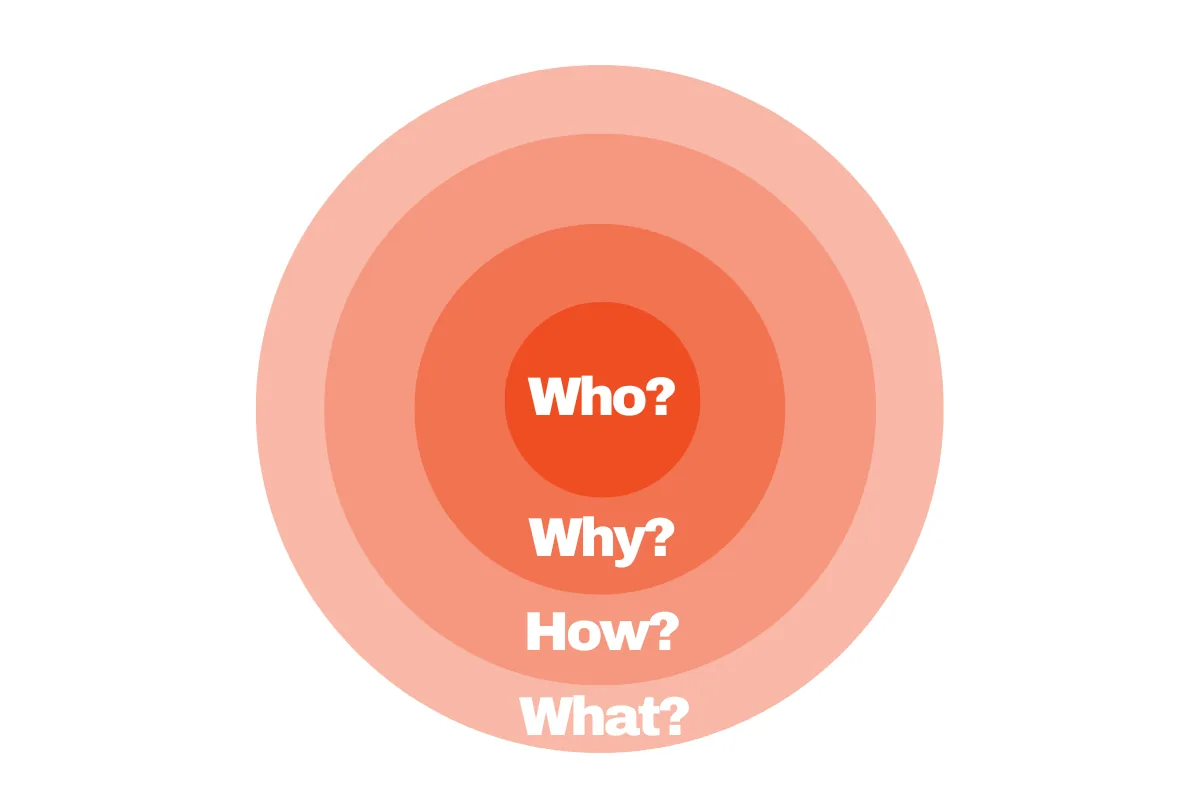
Sinek + who > A simple framework for brand messaging
Three main components make up a business' story; its brand (what it wants to be known for), its leader (what they have achieved and hope to achieve) and its campaigns (the external environmental forces that impact the sector, and how they should change).
When starting with a new client, one of the first things I'll do is review and frame the business' messaging, to help me understand the company, consider how well its communications have cut through thus far, and consider new creative communications ideas.
The first pillar is the company brand which considers four simple questions;
It's an iteration of Simon Sinek's 'golden circle', but rather than "start with why" I say "start with whom" because journalists are generally more interested in who the business impacts than the personal ambition of the founder.
The ‘Start With Why’ framework only works for some businesses. Many tech firms for example start because someone stumbled on an opportunity or invented something, i.e. a product-oriented rather than a purpose-oriented approach.
These are solutions looking for a problem, rather than a solution built to solve a problem. Nothing wrong with that, but it does influence how a company communicates.
Journalists are much more likely to engage if a company is established to meet an unmet need (based on a person’s personal lived experience) but this doesn’t mean that product-led companies are not of interest to media, rather the product-led company will need to demonstrate greater traction before it is able to attract meaningful media attention.
The brand message should contain the customer's problem, the solution the business offers and the market context for that problem/ solution.
The second pillar is the leadership story.
The leadership story underpins the pitch for the founder/ CEO. It aims to tick the key things a journalist would be looking for when considering whether to do a profile and is ideally aligned (but adjacent to the brand message).
and there's an ABCD mnemonic for it; authenticity (does this person care about the company mission), backers (is this business trusted and respected by other people), competency (is the business delivering, does it have the facts to prove it) and destination (does this person have a vision for the company and the category).
A business leader should always have the same four key messages - each supported by proof points and examples to bring them to life;
If the business leader can't support these key statements with facts, the PR job is much harder.
The final pillar is topics; issues entirely external to the business and what it can control.
By doing a PEST analysis, a business can identify events and topics that might impact the audiences it is trying to reach.
These are also the topics that journalists are interested in.
Political and Economic events set the news agenda.
These are media talking points, such as legislation and big company results. Examples in technology may include mooted changes to privacy law, tax breaks for investors, or big company news such as the sale of Twitter or slowing growth at Netflix.
Sociological and Technological trends set the features agenda.
These are topics that journalists often revisit and write longer pieces on. Again, in the world of tech this may include remote working, the great resignation, Web3 and the metaverse, 5G, or IoT.
Taking a point of view on these topics can help a business or individual grow their authority as an expert on this topic, raising the spokesperson’s profile and, by proxy, the profile of the organisation they represent. They are also a good way to communicate a business' or an individual's values.
These three pillars (brand, leadership, campaign) above underpin sales & marketing materials, as well as any social media updates and news. Anything the company does is an opportunity to tell the above story and put a broader context around otherwise isolated events.
Keep reading
Using my Six A copywriting method, you can ensure the content will meet the standard for PR (and…
The biggest determinant of how much media attention an individual will get is impact. For earlier…
Full Funnel PR is not just the title of my forthcoming book… it’s a practical methodology for all…
A short, no-obligation call. We will talk about where you are trying to grow, which audiences matter, and whether the method fits.